British Etching Revival
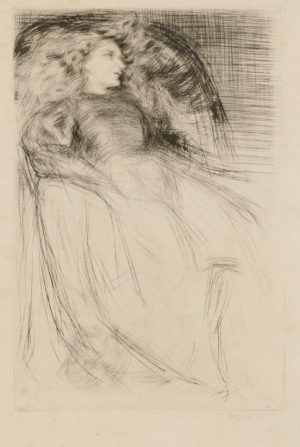
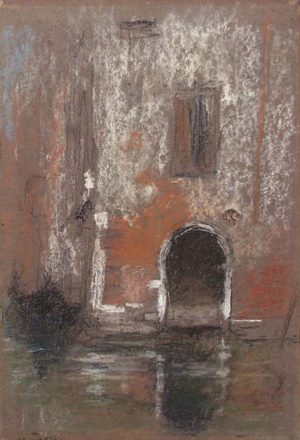
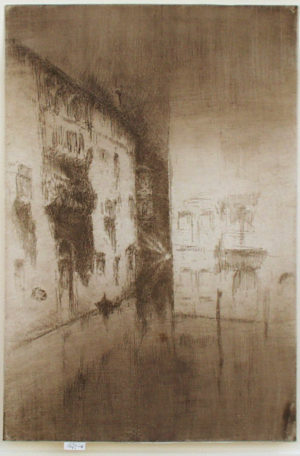
The British Etching Revival (late 19th to early 20th century) reestablished etching as a serious fine art, emphasizing originality, craftsmanship, and the artist’s hand over reproductive printmaking. Led by figures such as James McNeill Whistler and Sir Frank Short, the movement favored subtle tonal effects, refined line work, and intimate depictions of landscapes, architecture, and urban scenes. Its influence helped shape modern printmaking by elevating the medium’s artistic status and inspiring a generation of artists to explore etching as a primary form of expression.